

-
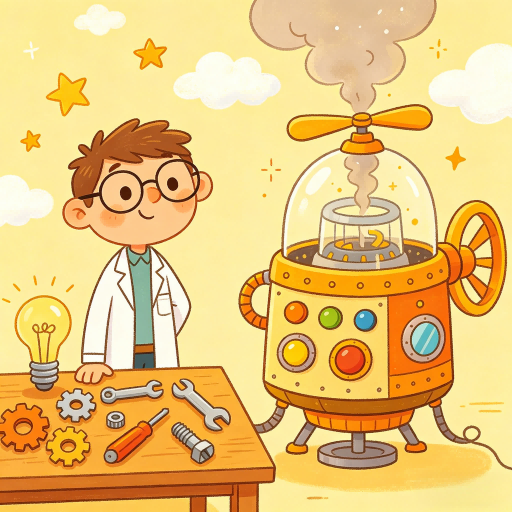
invention
[ɪnˈvenʃn]中文例句 -
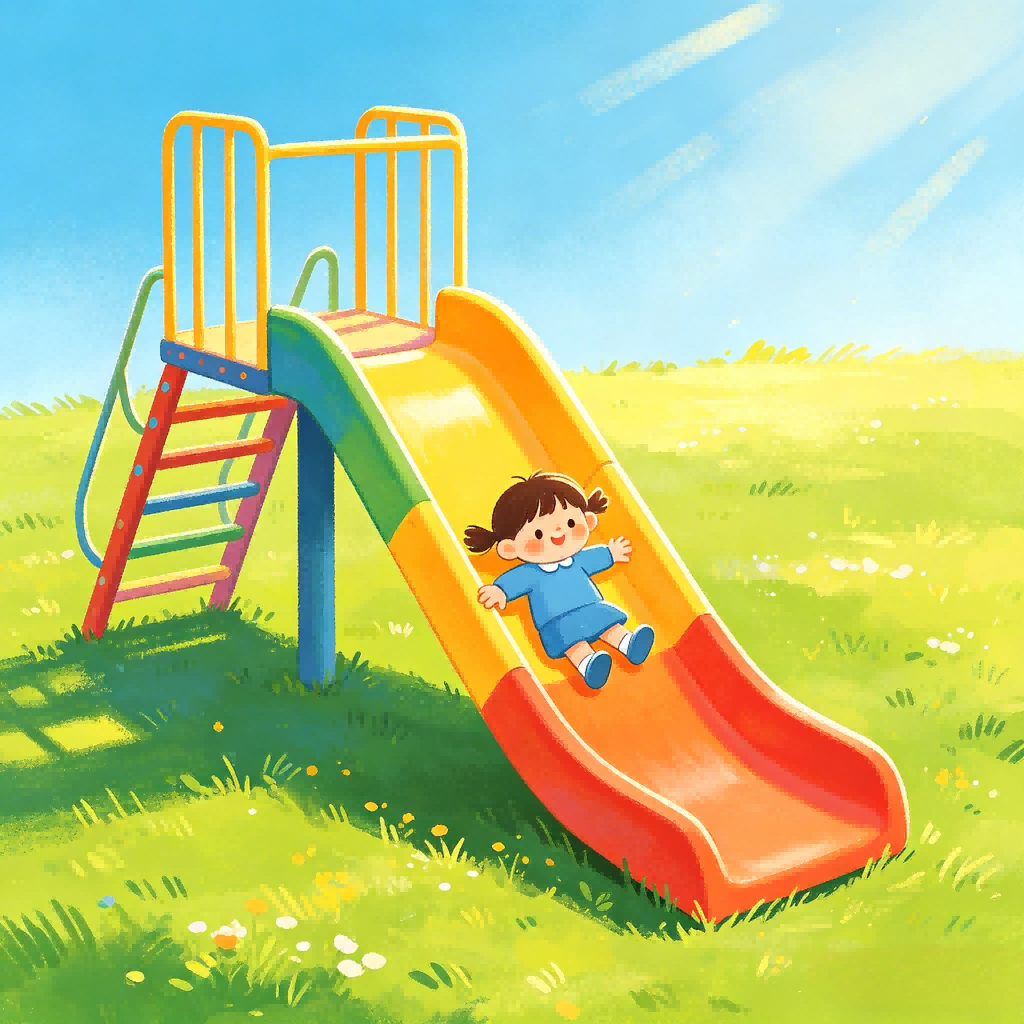
slide
[slaɪd]中文例句 -
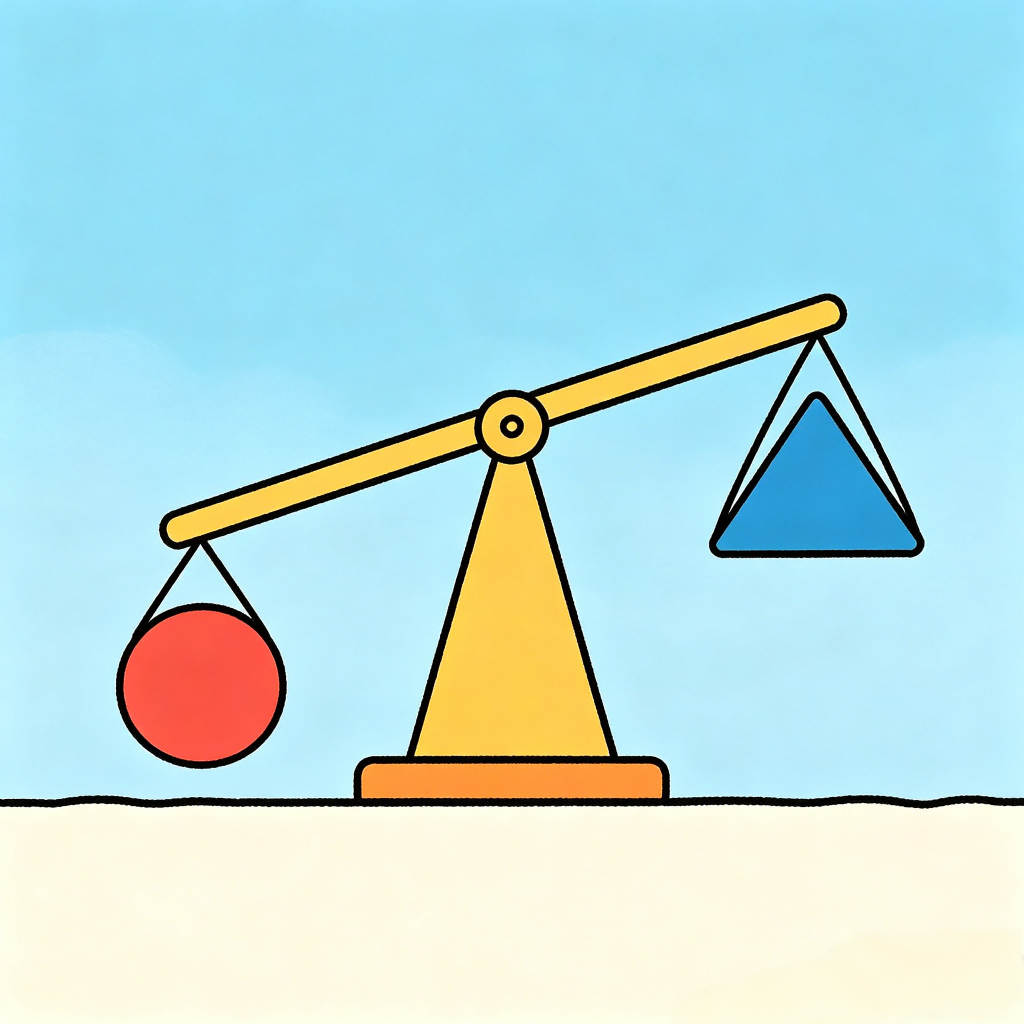
seesaw
[ˈsiː sɔː , ˈsiːsɔː]中文例句 -
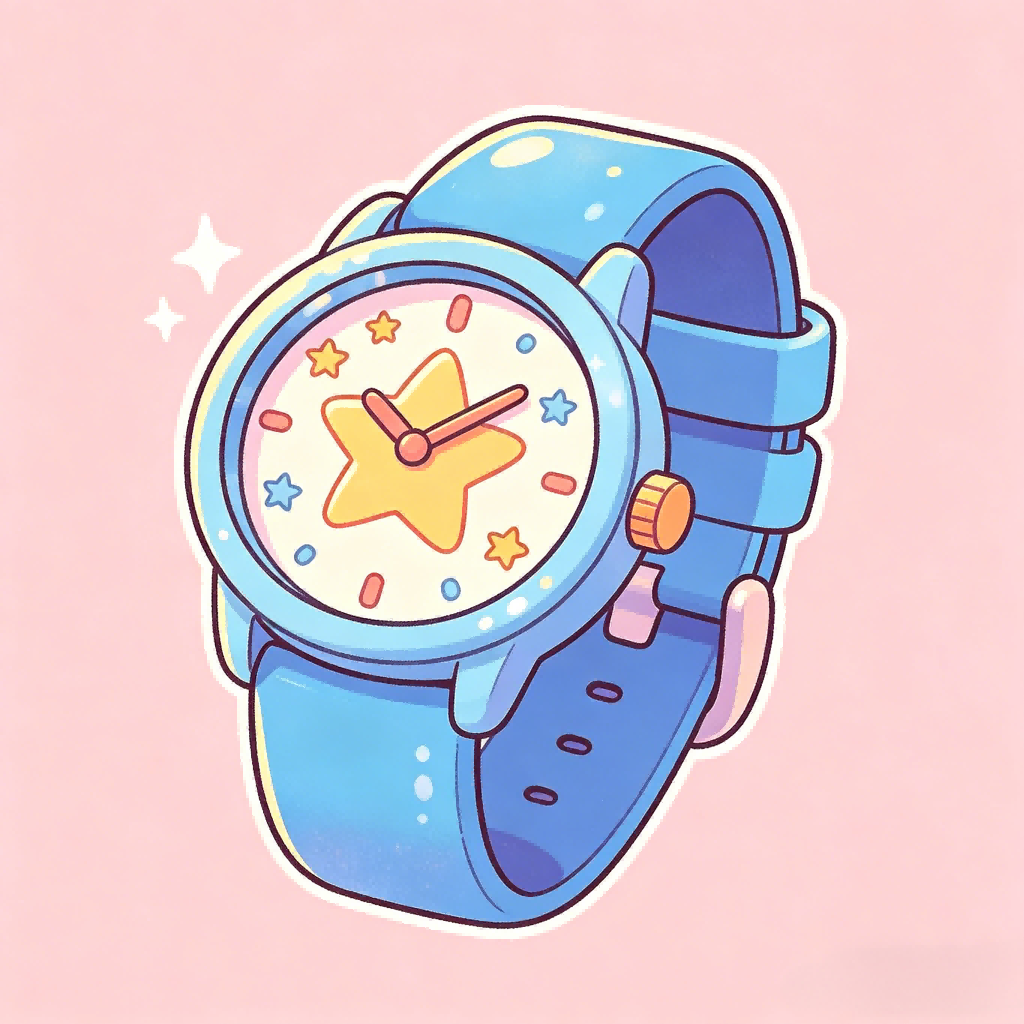
*watch
[wɒtʃ]中文例句 -
lever
[ˈliːvə(r)]中文例句 -
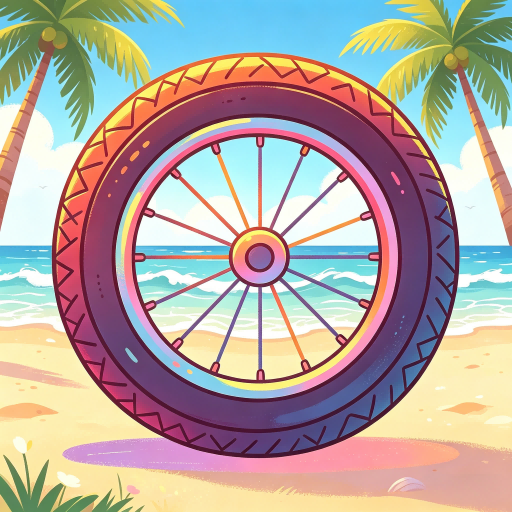
wheel
[wiːl]中文例句 -
simple
[ˈsɪmpl]中文例句 -
machine
[məˈʃiːn]中文例句 -
basic
[ˈbeɪsɪk]中文例句 -
everyday
[ˈevrideɪ]中文例句 -
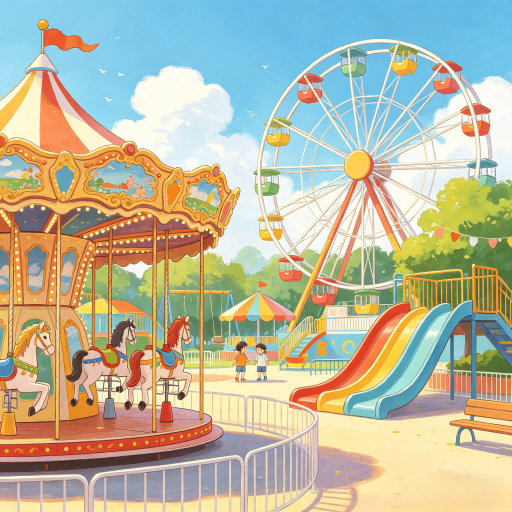
*playground
[ˈpleɪɡraʊnd]中文例句 -
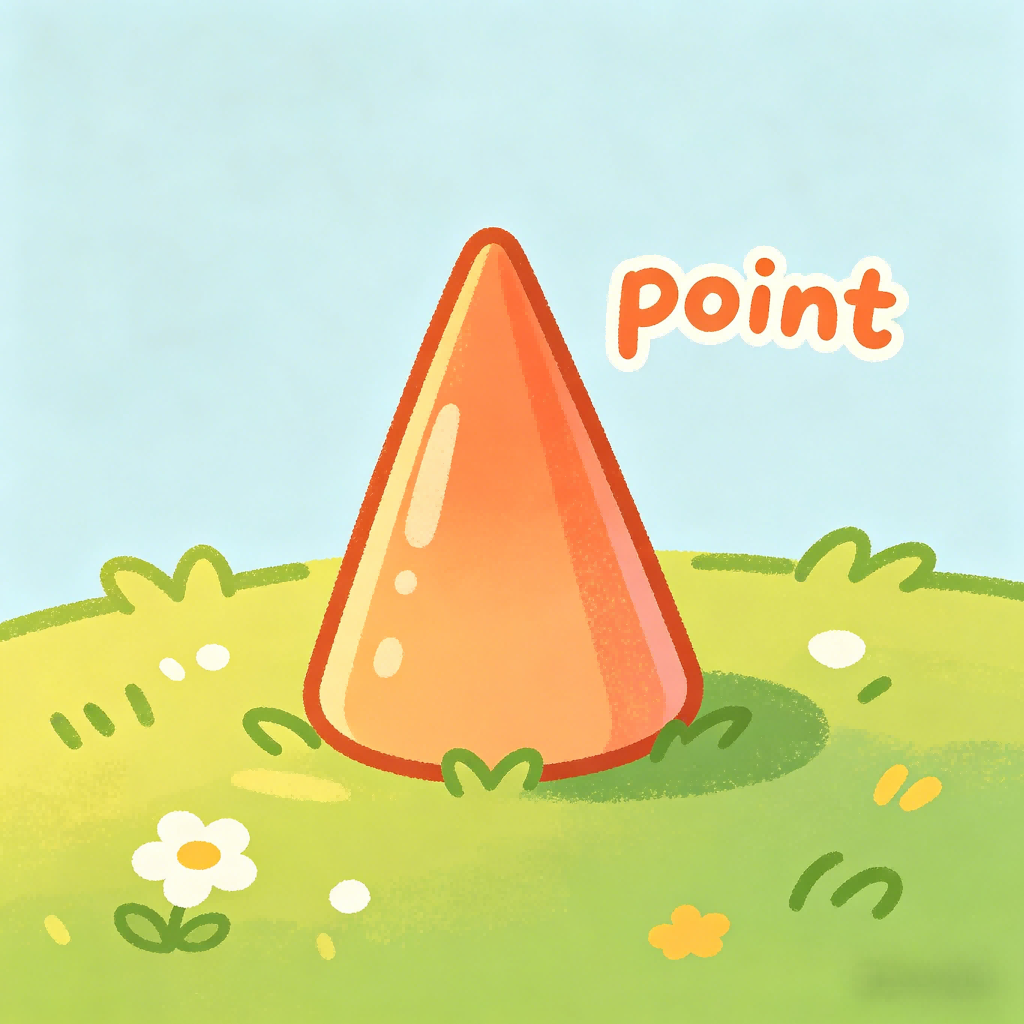
point
[pɔɪnt]中文例句 -
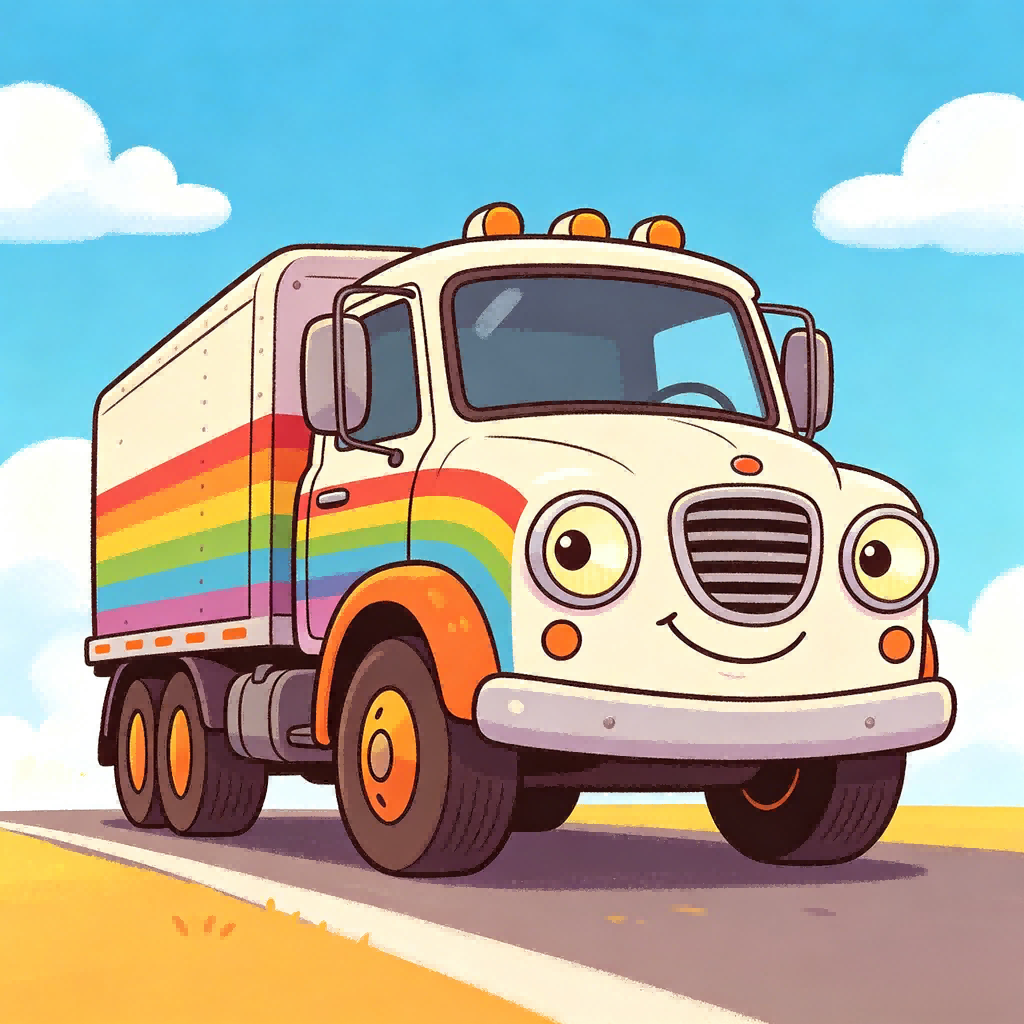
truck
[trʌk]中文例句 -
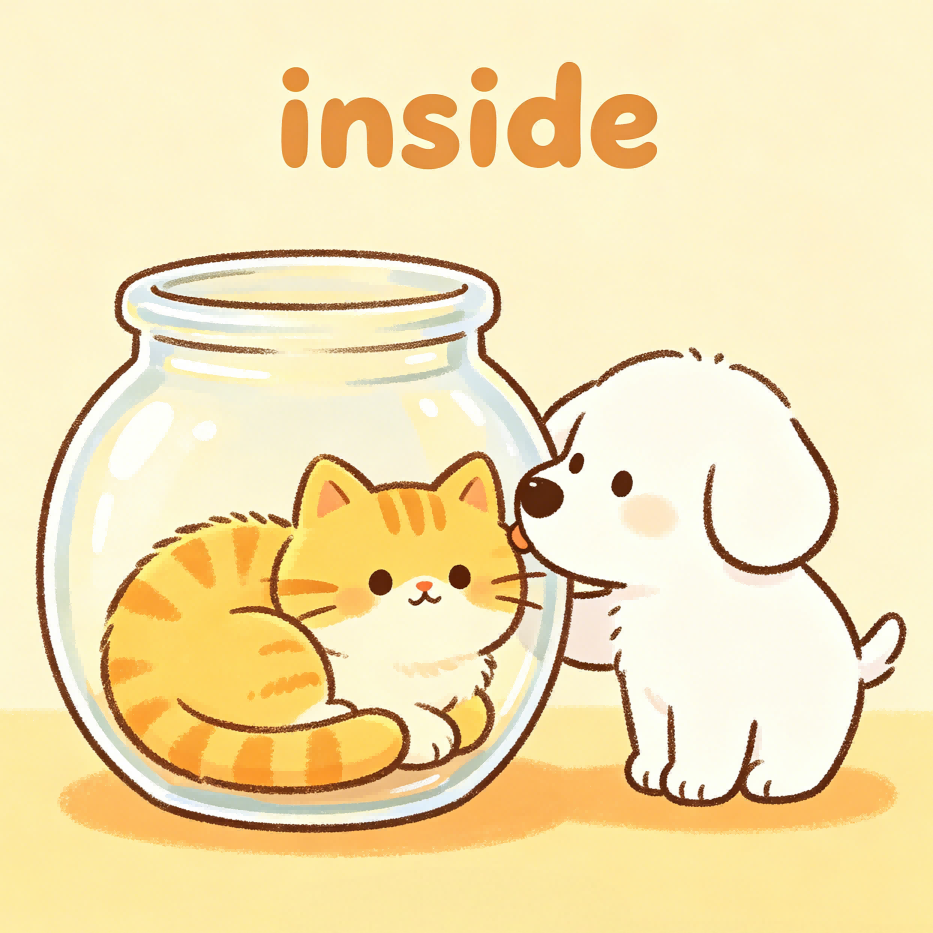
inside
[ˌɪnˈsaɪd]中文例句 -
tiny
[ˈtaɪni]中文例句 -
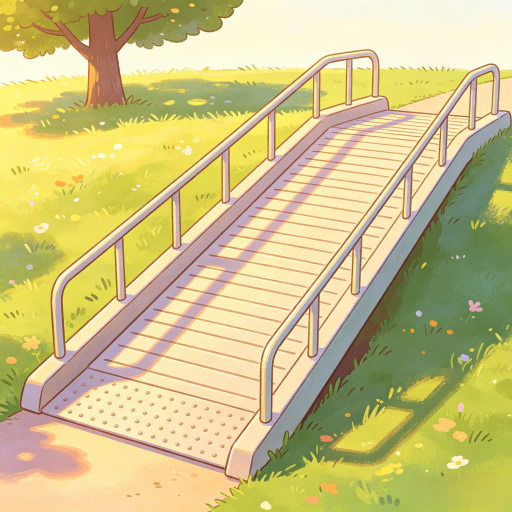
ramp
[ræmp]中文例句 -
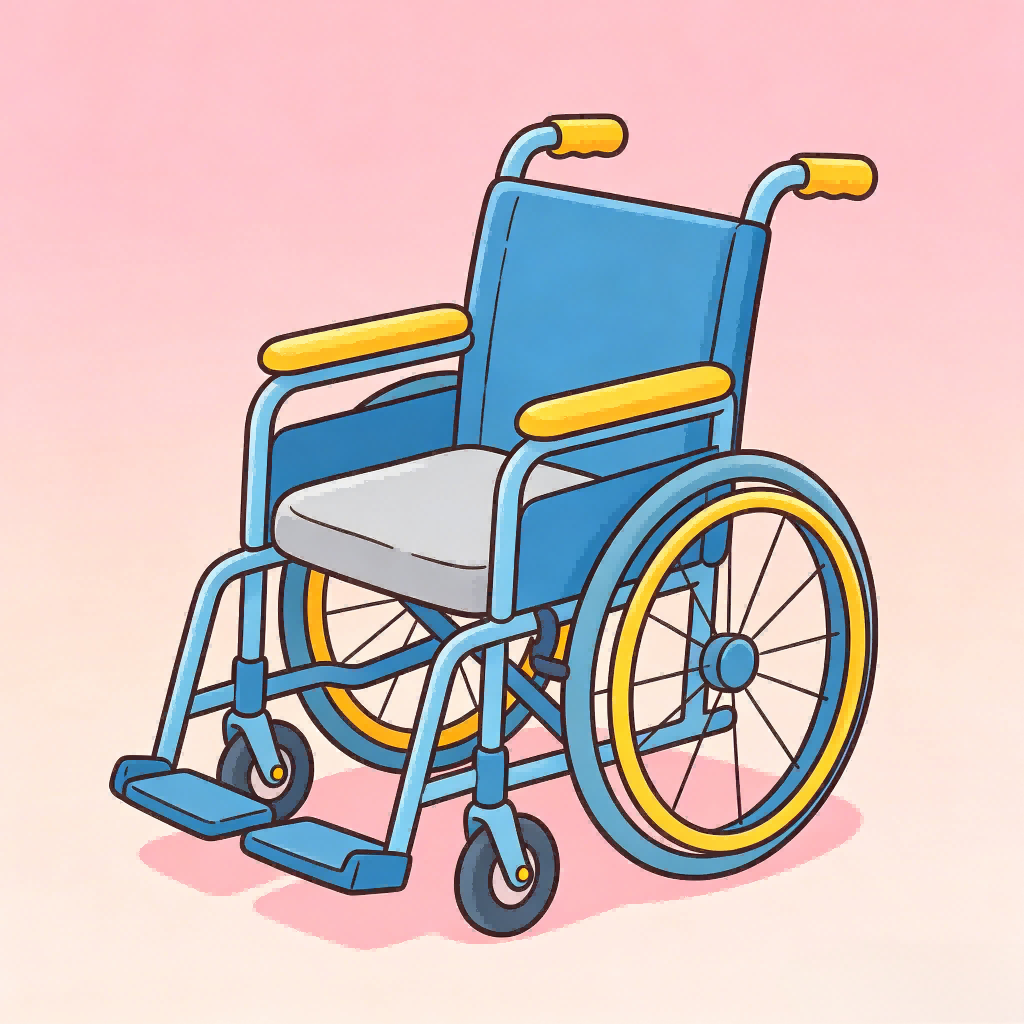
wheelchair
[ˈwiːltʃeə(r)]中文例句 -
*hill
[hɪl]中文例句 -
nature
[ˈneɪtʃə(r)]中文例句 -
board
[bɔːd]中文例句 -
push down
[pʊʃ daʊn]中文例句



-
Explore
中文 -
Simple machines in our daily lives
中文 -
What are simple machines?
中文 -
They are the most basic inventions.
中文 -
They make our lives easier, and we use them every day.
中文 -
The lever
中文 -
Many everyday inventions are levers.
中文 -
A bottle opener is a lever.
中文 -
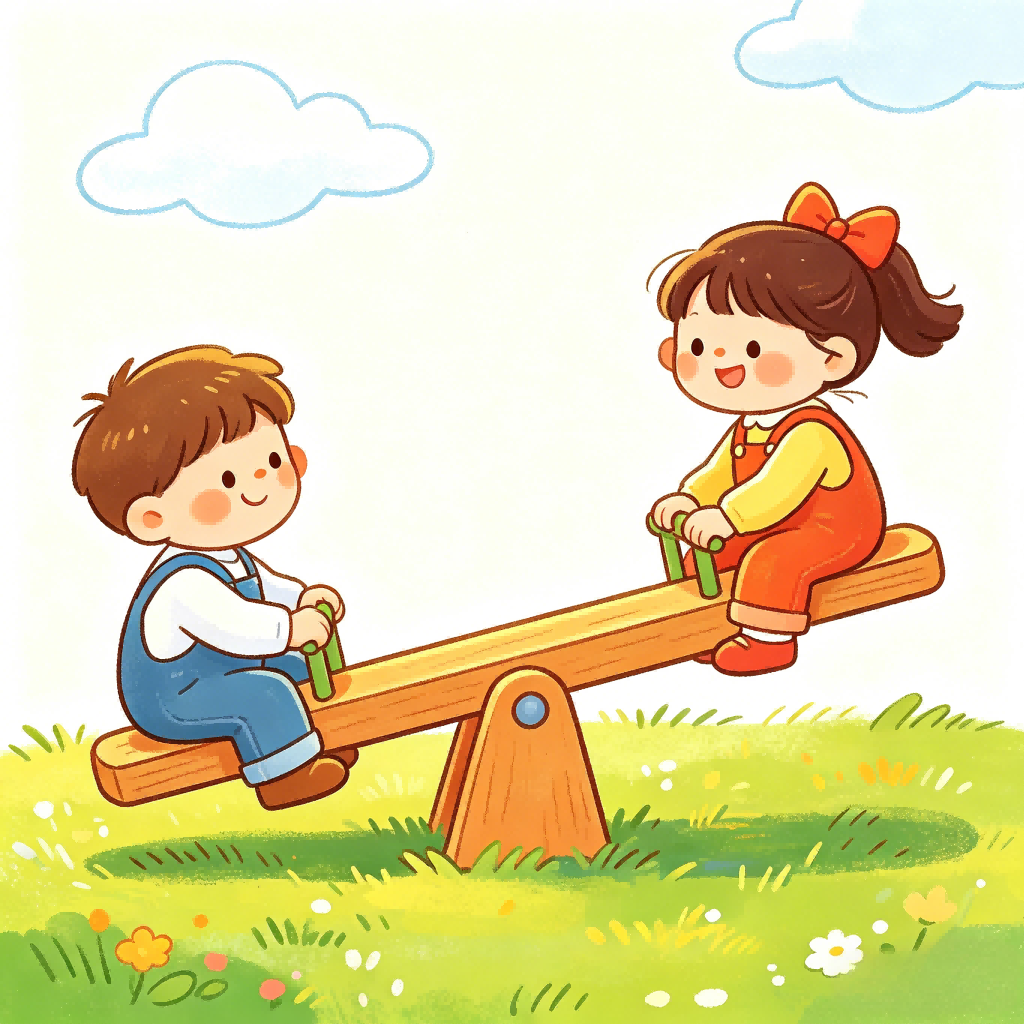
A seesaw is also a lever.
中文 -
When you ride on a seesaw in the playground, you are using a lever.
中文 -
In the picture, a boy sits down on one side, and his friend on the other side goes up.
中文 -
The wheel
中文 -
We use wheels every day on cars, trucks and bicycles.
中文 -
Inside an old clock or watch, you can also see tiny wheels.
中文 -
The ramp
中文 -
A ramp has one high end and one low end.
中文 -
A slide is a ramp.
中文 -
On it, you can go from a high place to a low place quickly.
中文 -
Things can move up and down more easily on a ramp.
中文 -
People in wheelchairs use ramps to go into and out of buildings.
中文 -
Hills and mountains are ramps in nature.
中文 -
Extend
中文 -
Lu Ban and the saw
中文 -
Lu Ban was a famous inventor in ancient China.
中文 -
He invented a lot of useful tools.
中文 -
One day, when Lu Ban was at work on a mountain, a leaf cut his finger.
中文 -
Lu Ban thought, "How could such a small leaf hurt my finger?"
中文 -
He looked at the leaf carefully.
中文 -
There were many teeth on the leaf, and the teeth were sharp.
中文 -
"Could I make a tool with teeth like these?"
中文 -
"It could cut things easily,"
中文 -
Lu Ban said to himself.
中文 -
Soon Lu Ban made a saw.
中文 -
It was the first saw in the world.
中文 -
People are still using it today.
中文 -
Lu Ban was not the only ancient Chinese inventor.
中文 -
Other ancient Chinese people invented many great things, such as cuju and paper.
中文 -
Many have a great influence around the world.
中文
 订阅
订阅